


What is Japanese Green Tea? The Complete Beginner’s Guide (Types, Benefits & How to Drink)

Japanese green tea is not just a beverage. It is a refined cultural experience, a daily wellness ritual, and a cornerstone of Japan’s heritage. For centuries, it has been consumed by monks, samurai, and everyday people alike for its calming effects, rich taste, and powerful health benefits.
Today, Japanese green tea has gained global popularity, especially among those seeking a healthier lifestyle, natural antioxidants, and a more mindful daily routine.
But if you’re new to this world, you might be wondering:
- What exactly is Japanese green tea?
- How is it different from other green teas?
- Which type should you start with?
In this complete beginner’s guide, we’ll walk you through everything, from its origins and types to its benefits and brewing methods.
🌱 What is Japanese Green Tea?
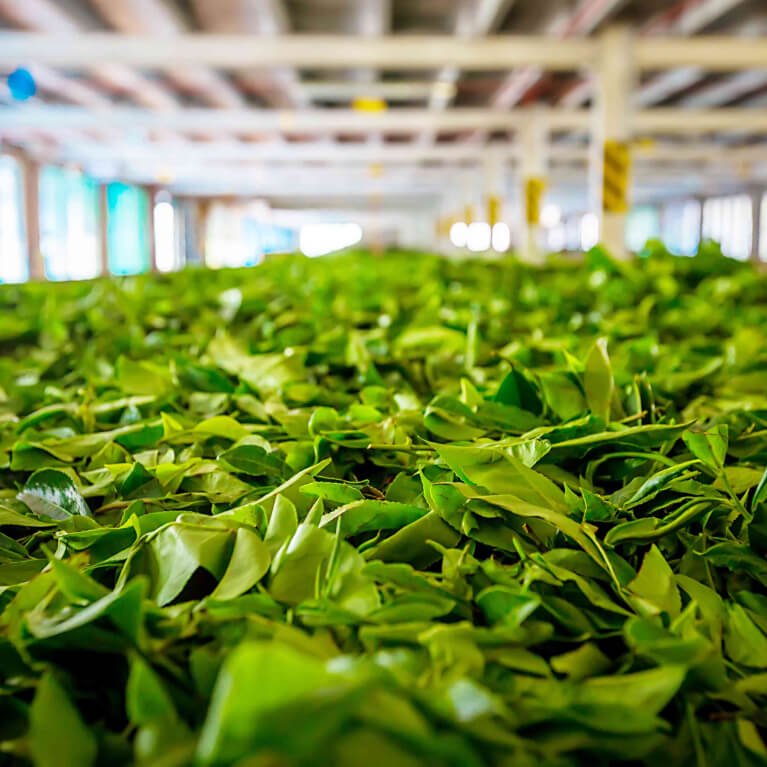
Japanese green tea is made from the leaves of the Camellia sinensis plant, just like other teas. However, what makes it unique is how it is processed after harvesting.
In Japan, tea leaves are steamed immediately after picking, which prevents oxidation. This method:
- Preserves the tea’s natural green color
- Retains more nutrients and antioxidants
- Creates a fresh, grassy, slightly sweet flavor
This steaming process is the defining characteristic of Japanese green tea and sets it apart from Chinese green tea, which is typically pan-fired.
The Cultural Importance of Japanese Green Tea
In Japan, green tea is more than just a drink — it is a part of daily life and spiritual practice.
- Served to guests as a sign of hospitality
- Used in traditional tea ceremonies (Chanoyu)
- Consumed after meals for digestion
- Integrated into modern lifestyles (matcha lattes, desserts)
Drinking tea in Japan reflects values like mindfulness, respect, and simplicity.
🍃 Why Japanese Green Tea is Unique
✅ 1. Steaming Instead of Roasting
This preserves delicate compounds and results in a cleaner, fresher taste.
✅ 2. Rich Umami Flavor
Japanese teas are known for their umami (savory) taste — something rarely found in other teas.
✅ 3. Vibrant Green Color
High chlorophyll content gives the tea its bright green appearance.
✅ 4. High Nutritional Density
Packed with catechins, vitamins, and amino acids.
🍵 Types of Japanese Green Tea (Beginner to Premium)
Understanding the types of tea is essential if you want to choose the right one.
🍃 1. Sencha — The Everyday Tea
- Most commonly consumed tea in Japan
- Fresh, grassy, slightly bitter-sweet
- Medium caffeine
👉 Best for: Daily drinking
🍃 2. Matcha — The Superfood Tea
- Finely ground powdered tea
- Consumed whole (not steeped)
- Rich, creamy, and intense
👉 Best for: Energy, focus, and a premium experience
🍃 3. Genmaicha — The Beginner-Friendly Tea
- Blend of green tea + roasted brown rice
- Mild, nutty, slightly sweet
👉 Best for: New tea drinkers
🍃 4. Hojicha — The Low-Caffeine Tea
- Roasted green tea
- Warm, smoky, and toasty flavor
👉 Best for: Evening or relaxation
🍃 5. Gyokuro — The Luxury Tea
- Shade-grown before harvest
- Extremely smooth and sweet
- High in amino acids
👉 Best for: Premium tea lovers
💚 Health Benefits of Japanese Green Tea
Japanese green tea is widely considered one of the healthiest beverages in the world.
🧠 1. Improves Focus and Mental Clarity
Contains caffeine + L-theanine, providing calm and sustained energy.
🔥 2. Supports Weight Loss
Boosts metabolism and helps burn fat more efficiently.
🛡 3. Rich in Antioxidants (EGCG)
Helps fight free radicals and supports long-term health.
❤️ 4. Promotes Heart Health
May help reduce cholesterol and improve blood circulation.
🧘 5. Reduces Stress
L-theanine promotes relaxation without causing drowsiness.
🌿 6. Supports Skin Health
Antioxidants may help improve skin clarity and slow aging.
☕ How to Brew Japanese Green Tea (Beginner Guide)
🍵 Basic Sencha Brewing Method
- Heat water to 70–80°C (not boiling)
- Add 1 teaspoon of tea leaves
- Steep for 1–2 minutes
- Strain and serve
👉 Pro Tip:
Boiling water will make your tea bitter — always let it cool slightly.
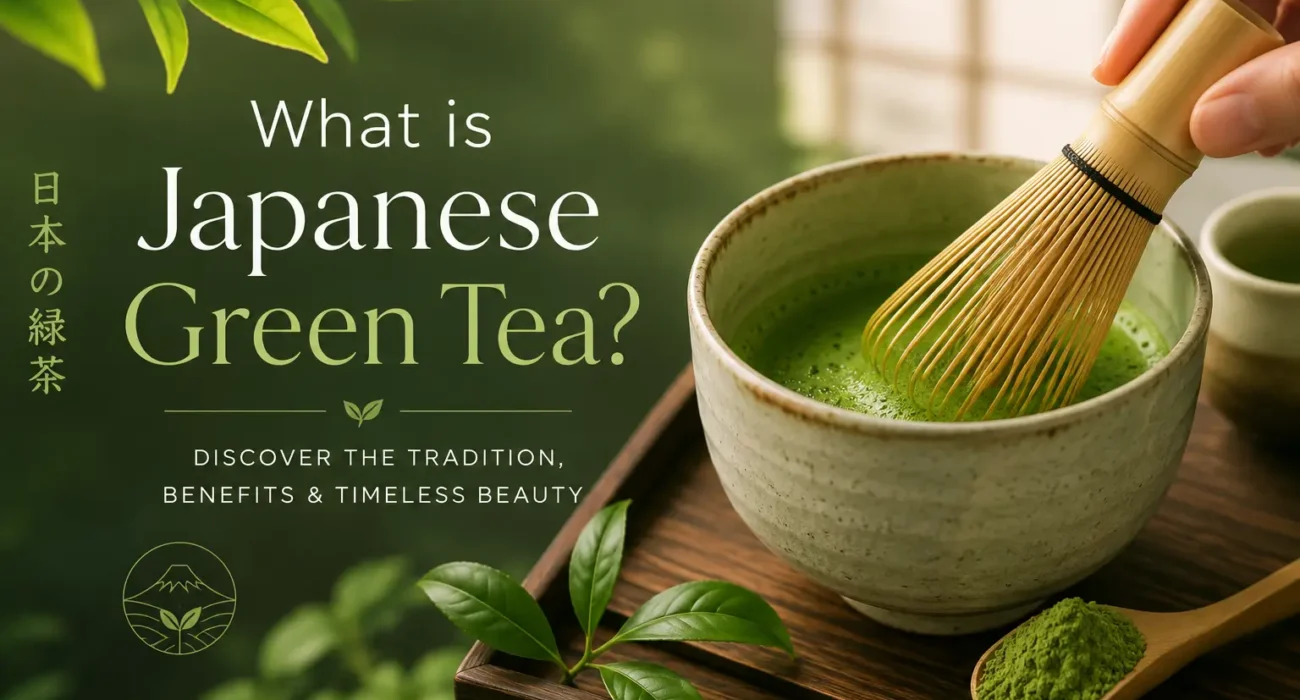
🍃 Matcha Preparation
- Add 1 tsp matcha powder
- Add hot water (~75°C)
- Whisk using a bamboo whisk until frothy
How to Choose High-Quality Japanese Green Tea
If you’re buying for the first time:
Look for:
- Bright green color
- Fresh aroma
- Origin: Japan (Uji, Shizuoka, Kagoshima)
Avoid:
- Dull yellow leaves
- Dusty or stale smell
- Very cheap “green tea” (often low grade)
Why Japanese Green Tea is Trending Globally
Japanese green tea is rapidly growing worldwide due to:
- Rising demand for natural wellness products
- Popularity of matcha drinks and desserts
- Increased interest in Japanese culture
- Shift toward clean, antioxidant-rich beverages
Who Should Drink Japanese Green Tea?
Japanese green tea is ideal for:
- Health-conscious individuals
- Entrepreneurs looking to sell premium tea
- Coffee drinkers seeking a smoother alternative
- Anyone wanting a calm, focused energy boost
Frequently Asked Questions
Is Japanese green tea better than Chinese green tea?
Both are good, but Japanese tea is often fresher and richer in nutrients due to steaming.
Does it contain caffeine?
Yes, but less than coffee. Hojicha has very low caffeine.
Can I drink it daily?
Absolutely — it’s commonly consumed daily in Japan.
Which tea should beginners start with?
Start with Sencha or Genmaicha.
Final Thoughts
Japanese green tea is a perfect combination of tradition, taste, and health. Whether you’re looking to improve your wellness, explore Japanese culture, or simply enjoy a better cup of tea, it offers an experience unlike any other beverage.
Start simple, explore different types, and gradually discover your personal favorite.
Ready to Explore Authentic Japanese Green Tea?
At Hinomarucha, we bring you carefully selected, high-quality Japanese green teas sourced directly from trusted producers in Japan.
Discover your perfect cup and start your green tea journey today.