



Quick Summary
Ceremonial and culinary matcha are two main grades of Japanese matcha green tea. Ceremonial matcha is the highest quality and designed for drinking with water, while culinary matcha is intended for cooking, baking, and matcha-based beverages like lattes and smoothies. The key differences lie in leaf quality, taste, color, and intended use.
What Is Matcha?
Matcha is a finely ground powder made from specially grown green tea leaves. Unlike regular tea where the leaves are steeped and discarded, matcha is consumed entirely, meaning you ingest the whole tea leaf.
This gives matcha a higher concentration of antioxidants, amino acids, and nutrients compared to traditional green tea.
Matcha is traditionally produced in Japan and is known for its vibrant green color, smooth texture, and unique umami flavor.
Quick Summary
Matcha is a powdered green tea that delivers the full nutritional benefits of the tea leaf.
What Is Ceremonial Grade Matcha?
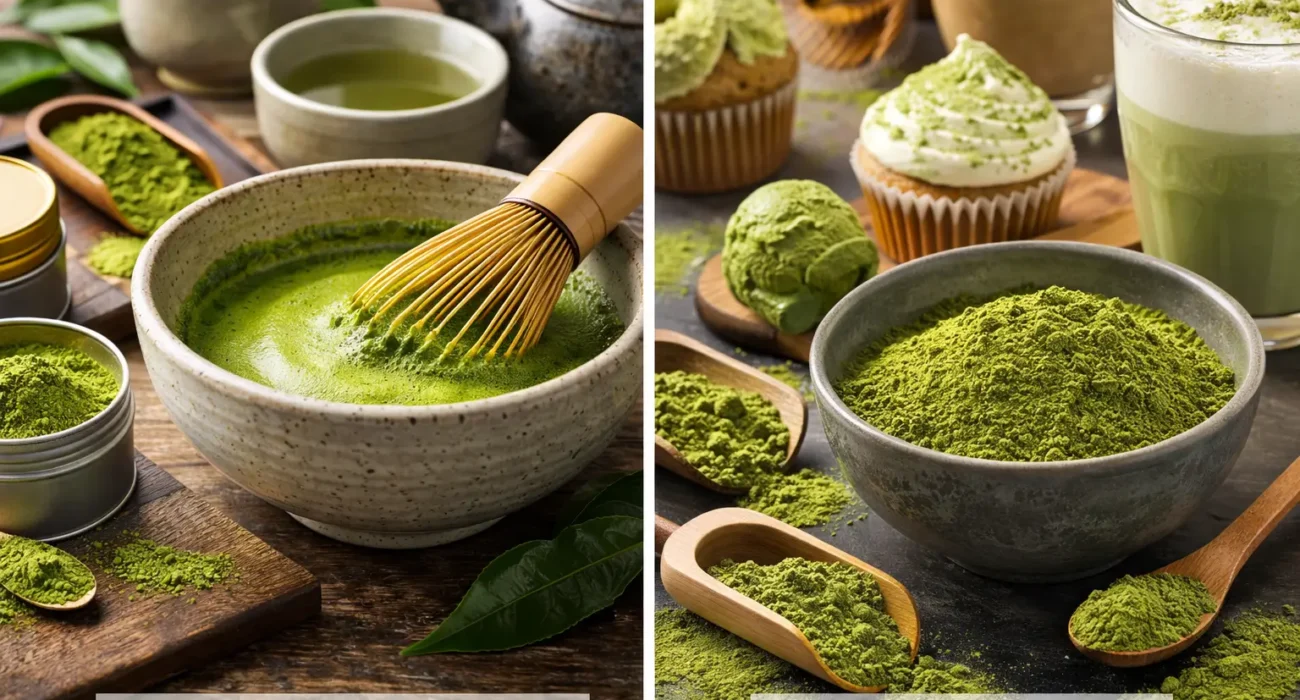
Ceremonial grade matcha is the highest quality matcha available. It is traditionally used in Japanese tea ceremonies and is meant to be consumed on its own with hot water.
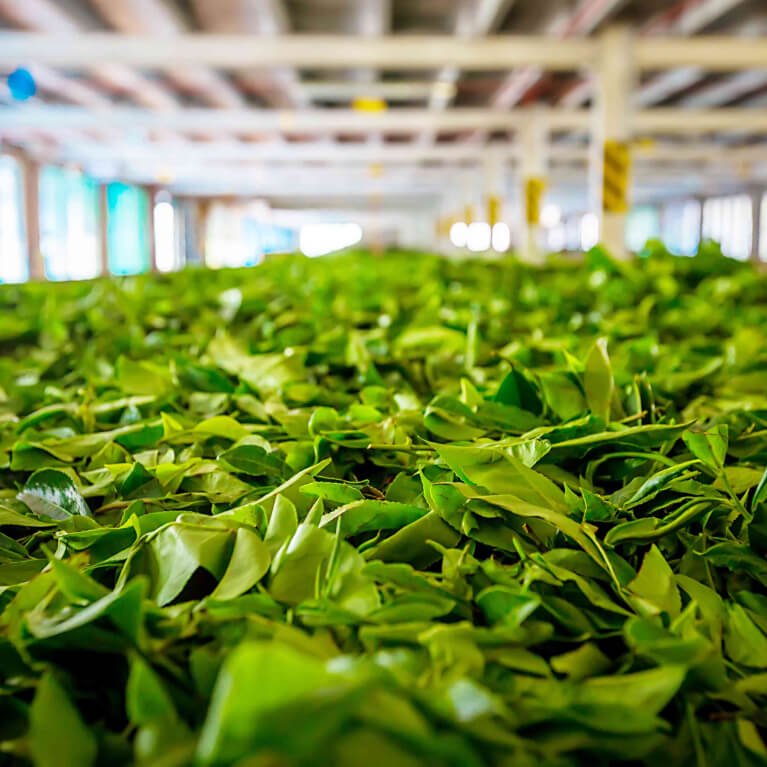
This matcha is made from the youngest tea leaves from the first harvest of the season. These leaves are shade-grown, carefully processed, and stone-ground into a very fine powder.
Because of the premium leaf quality, ceremonial matcha has:
- A smooth and delicate taste
- Natural sweetness
- Minimal bitterness
- Vibrant bright green color
Ceremonial matcha is typically whisked with hot water to create a smooth, frothy tea.
Quick Summary
Ceremonial matcha is premium matcha designed for drinking and traditional tea preparation.
What Is Culinary Grade Matcha?
Culinary grade matcha is designed for cooking and mixing with other ingredients.
Unlike ceremonial matcha, culinary matcha uses slightly more mature tea leaves. This results in a stronger flavor and slightly more bitterness, which actually works well in recipes where matcha is combined with milk, sugar, or other ingredients.
Culinary matcha is commonly used for:
- Matcha lattes
- Smoothies
- Ice cream
- Cakes and desserts
- Baking recipes
- Matcha-flavored drinks
Because it is made from later harvest leaves, culinary matcha is generally more affordable than ceremonial matcha.
Quick Summary
Culinary matcha is formulated for recipes and drinks where matcha is mixed with other ingredients.
Key Differences Between Ceremonial and Culinary Matcha
| Feature | Ceremonial Matcha | Culinary Matcha |
| Leaf quality | Youngest leaves | Mature leaves |
| Harvest | First harvest | Later harvest |
| Flavor | Smooth and sweet | Stronger and slightly bitter |
| Color | Bright vibrant green | Darker green |
| Texture | Ultra fine | Slightly coarser |
| Best use | Drinking with water | Cooking and lattes |
| Price | Higher | More affordable |
The primary difference is the intended purpose. Ceremonial matcha is meant to be enjoyed pure, while culinary matcha is designed to hold its flavor in recipes.
Quick Summary
Ceremonial matcha is for drinking, while culinary matcha is ideal for cooking and flavored beverages.
When Should You Choose Ceremonial Matcha?
Ceremonial matcha is best when the goal is to experience the pure flavor of matcha.
Choose ceremonial grade matcha if you plan to:
- Drink matcha traditionally with hot water
- Enjoy the natural flavor of matcha
- Practice Japanese tea ceremony preparation
- Use matcha for mindfulness or wellness rituals
Because of its delicate flavor, ceremonial matcha should not be mixed with milk or sweeteners.
Quick Summary
Choose ceremonial matcha if you want to drink matcha in its pure, traditional form.
When Should You Choose Culinary Matcha?
Culinary matcha is the better choice when matcha will be combined with other ingredients.
Choose culinary matcha if you plan to make:
- Matcha lattes
- Smoothies
- Desserts and baked goods
- Matcha ice cream
- Flavored drinks
The stronger flavor of culinary matcha ensures the taste remains noticeable even when mixed with milk, sugar, or other ingredients.
Quick Summary
Culinary matcha works best in recipes where matcha is mixed with other ingredients.
Can You Use Ceremonial Matcha for Recipes?
Technically, yes—but it is usually not recommended.
Ceremonial matcha is more expensive and its delicate flavor may be lost when mixed with milk or sugar.
Using ceremonial matcha for baking or lattes can therefore be an unnecessary expense.
Culinary matcha is specifically designed for these applications and offers better value.
Quick Summary
While ceremonial matcha can be used in recipes, culinary matcha is usually the better and more cost-effective option.
How to Identify High-Quality Matcha
Regardless of grade, good matcha should have several quality indicators.
Vibrant Green Color
High-quality matcha has a bright green color due to high chlorophyll levels.
Smooth Texture
Matcha powder should feel extremely fine and silky.
Fresh Aroma
Premium matcha has a fresh, grassy aroma.
Japanese Origin
Authentic matcha usually comes from Japan, especially regions like Uji, Nishio, and Shizuoka.
Quick Summary
Color, aroma, texture, and origin are key signs of quality matcha.
Frequently Asked Questions
Is ceremonial matcha healthier than culinary matcha?
Both types come from the same tea plant and offer similar health benefits, but ceremonial matcha may contain slightly higher nutrient levels due to younger leaves.
Can beginners start with culinary matcha?
Yes. Culinary matcha is a great starting option for lattes and recipes.
Why is ceremonial matcha more expensive?
It uses younger leaves, requires more careful production, and is processed more slowly using traditional stone grinding methods.
Can I drink culinary matcha with water?
You can, but it may taste more bitter compared to ceremonial matcha.
Final Takeaway
Both ceremonial and culinary matcha have their place depending on how you plan to use them.
Ceremonial matcha offers a refined, smooth flavor that is perfect for traditional tea drinking and mindful rituals. Culinary matcha, on the other hand, is stronger and more versatile for recipes, beverages, and desserts.
Understanding the difference helps ensure you choose the right matcha for your needs.
Whether you’re a tea enthusiast or a culinary creator, selecting the appropriate matcha grade can significantly enhance your matcha experience.