


What Is Ceremonial Grade Matcha? A Complete Expert Guide

Quick Summary
Ceremonial grade matcha is the highest quality form of matcha green tea, traditionally used in Japanese tea ceremonies. It is made from the youngest tea leaves, finely stone-ground into a vibrant green powder. Known for its smooth taste, natural sweetness, and high nutritional value, ceremonial matcha is designed to be consumed on its own with water rather than mixed into recipes.
What Is Ceremonial Grade Matcha?
Ceremonial grade matcha is a premium powdered green tea produced from specially grown tea leaves in Japan. Unlike regular green tea, matcha is consumed in powdered form, meaning the entire leaf is ingested rather than steeped and discarded.
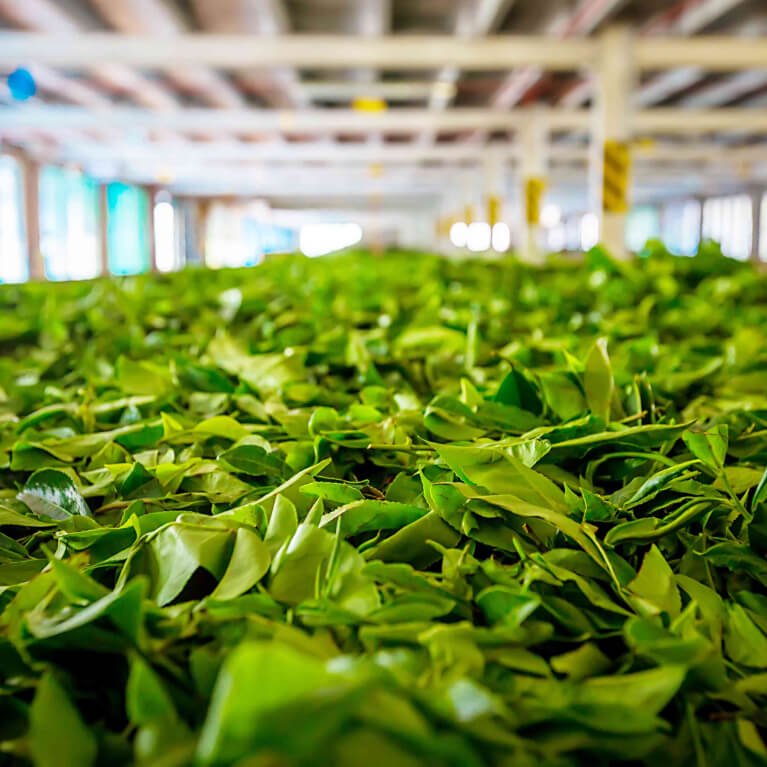
The leaves used for ceremonial matcha come from the first harvest of the year and are carefully shade-grown before picking. This process increases chlorophyll levels and enhances the tea’s natural sweetness and amino acid content.
After harvesting, the leaves are steamed, dried, and stone-ground into an ultra-fine powder. The result is a bright green tea with a smooth, creamy texture and balanced flavor.
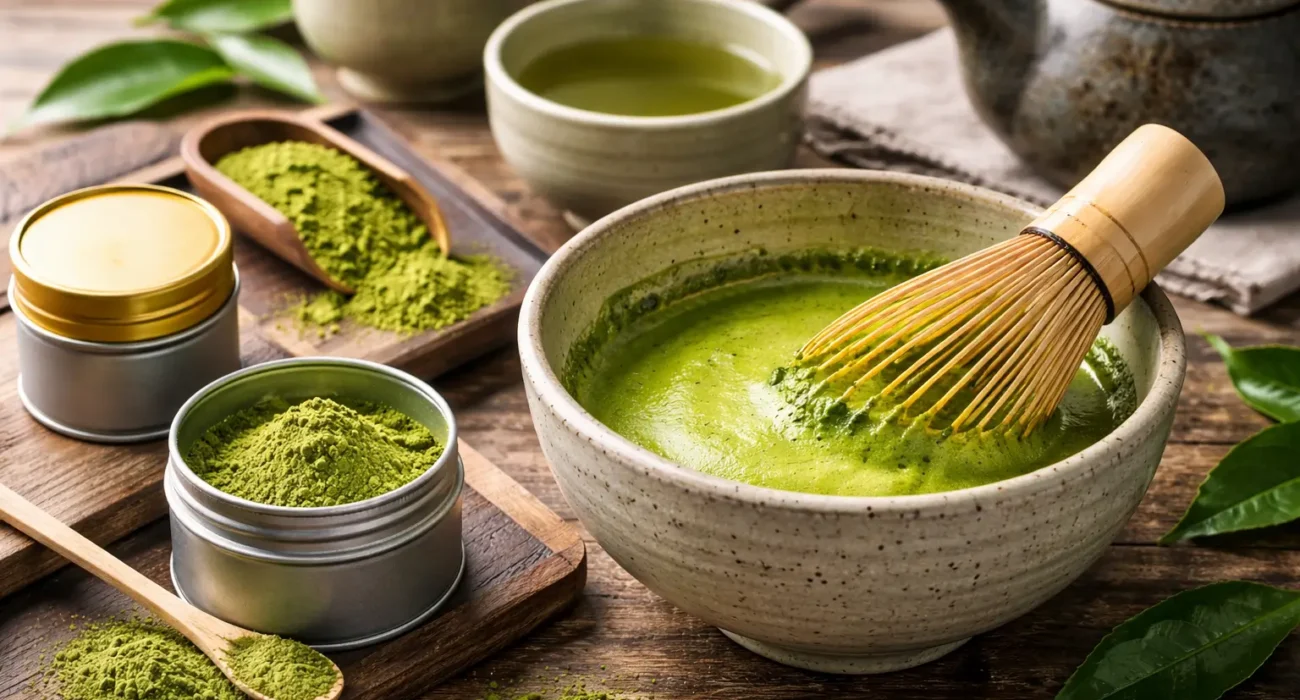
Ceremonial matcha is traditionally whisked with hot water using a bamboo whisk and served during Japanese tea ceremonies.
Quick Summary
Ceremonial grade matcha is the highest quality matcha powder, made from young tea leaves and traditionally prepared for Japanese tea ceremonies.
The Origins of Matcha in Japan
Matcha has been part of Japanese culture for centuries. The practice of powdered tea preparation was introduced to Japan from China during the 12th century by Buddhist monks.
Over time, Japan refined the cultivation and preparation methods, turning matcha into a central element of Japanese tea culture.
The Japanese tea ceremony, known as Chanoyu, emphasizes harmony, respect, purity, and tranquility. Ceremonial matcha plays a vital role in this tradition because of its superior quality and flavor.
Today, Japan remains the world’s leading producer of premium matcha, with famous growing regions such as:
- Uji (Kyoto)
- Nishio (Aichi)
- Shizuoka
- Kagoshima
These regions are known for their climate, soil quality, and centuries-old tea cultivation expertise.
Quick Summary
Matcha originated in Japanese tea culture and remains deeply connected to traditional tea ceremonies and premium tea production regions.
How Ceremonial Grade Matcha Is Produced
Producing high-quality ceremonial matcha requires a precise and careful process.
1. Shade Growing
Tea plants are shaded from sunlight for about 3–4 weeks before harvest. This increases chlorophyll and amino acids, giving matcha its vibrant green color and rich flavor.
2. Hand Selection
Only the youngest and most tender leaves from the first harvest are selected for ceremonial grade matcha.
3. Steaming
The freshly picked leaves are lightly steamed to prevent oxidation and preserve nutrients.
4. Drying and De-stemming
The leaves are dried and processed into a raw tea material called tencha. Stems and veins are removed to ensure smooth texture.
5. Stone Grinding
Tencha leaves are slowly ground into ultra-fine powder using traditional granite stone mills.
This slow grinding process preserves flavor and ensures the powder remains delicate and smooth.
Quick Summary
Ceremonial matcha is produced through shade growing, careful leaf selection, steaming, drying, and traditional stone grinding.
Ceremonial Grade vs Culinary Grade Matcha
Not all matcha is the same. The two most common categories are ceremonial grade and culinary grade.
| Feature | Ceremonial Grade | Culinary Grade |
| Leaf quality | Youngest leaves | Mature leaves |
| Flavor | Smooth, sweet | Slightly bitter |
| Color | Bright vibrant green | Duller green |
| Texture | Ultra fine powder | Slightly coarse |
| Best use | Drinking with water | Cooking & baking |
Ceremonial matcha is meant to be enjoyed pure, while culinary matcha is typically used in recipes such as lattes, desserts, smoothies, and baked goods.
Quick Summary
Ceremonial matcha is designed for drinking, while culinary matcha is better suited for cooking and flavored beverages.
Health Benefits of Ceremonial Grade Matcha
Because matcha contains the entire tea leaf, it provides a higher concentration of nutrients compared to regular green tea.
Some of the key health benefits include:
High Antioxidant Content
Matcha is rich in catechins, powerful antioxidants that help protect cells from damage.
Natural Energy Boost
Matcha contains caffeine combined with L-theanine, an amino acid that promotes calm alertness without the crash associated with coffee.
Supports Metabolism
Green tea compounds may support metabolism and fat oxidation.
Enhances Focus
The combination of caffeine and L-theanine promotes mental clarity and sustained concentration.
Detox Support
The high chlorophyll content from shade-grown leaves may help support natural detoxification.
Quick Summary
Ceremonial matcha offers antioxidants, steady energy, improved focus, and potential metabolic benefits.
How to Prepare Ceremonial Grade Matcha
Traditional matcha preparation is simple but requires proper technique.
What You Need
- Ceremonial grade matcha powder
- Bamboo whisk (chasen)
- Tea bowl (chawan)
- Fine sifter
- Hot water (not boiling)
Step-by-Step Preparation
- Sift 1–2 grams of matcha into the bowl to remove clumps.
- Add about 60–70 ml of hot water (around 75–80°C).
- Whisk quickly using a zig-zag motion until a smooth foam forms.
- Enjoy immediately.
High-quality ceremonial matcha should taste smooth, slightly sweet, and naturally creamy.
Quick Summary
Ceremonial matcha is traditionally whisked with hot water until a smooth, frothy tea forms.
How to Identify High-Quality Ceremonial Matcha
When buying matcha, several visual and sensory indicators can help determine quality.
Bright Green Color
Premium matcha should have a vibrant emerald green color.
Smooth Texture
The powder should feel extremely fine and silky.
Fresh Aroma
High-quality matcha has a fresh, grassy, slightly sweet aroma.
Mild Flavor
Ceremonial matcha should be smooth and slightly sweet, not overly bitter.
Japanese Origin
Authentic ceremonial matcha typically comes from Japan.
Quick Summary
Color, texture, aroma, and origin are key indicators of genuine ceremonial grade matcha.
Why Ceremonial Matcha Is More Expensive
Ceremonial matcha costs more because of the intensive production process and limited harvest yields.
Several factors influence the price:
- First harvest leaves
- Shade growing techniques
- Hand selection of young leaves
- Slow stone grinding
- Limited production quantities
These factors make ceremonial matcha a premium tea product.
Quick Summary
The high cost of ceremonial matcha reflects the careful cultivation, limited harvest, and traditional production methods.
Frequently Asked Questions
Can you use ceremonial matcha for lattes?
Yes, but it is usually not recommended because ceremonial matcha is best enjoyed on its own. Culinary matcha is more suitable for lattes.
How much caffeine is in ceremonial matcha?
Matcha contains about 60–70 mg of caffeine per serving, depending on the amount used.
Is ceremonial matcha healthier than regular green tea?
Matcha may provide higher antioxidant levels because the entire tea leaf is consumed.
How should matcha be stored?
Matcha should be stored in an airtight container in a cool, dark place, preferably in the refrigerator to preserve freshness.
Final Takeaway
Ceremonial grade matcha represents the highest standard of Japanese green tea. Carefully grown, harvested, and stone-ground, it offers exceptional flavor, vibrant color, and impressive nutritional benefits.
Unlike ordinary green tea, matcha delivers the full power of the tea leaf in every cup. For tea enthusiasts and health-conscious consumers, ceremonial matcha provides both a rich cultural experience and a premium wellness beverage.
As global demand for authentic Japanese products continues to grow, ceremonial grade matcha remains one of the most respected and sought-after teas in the world.