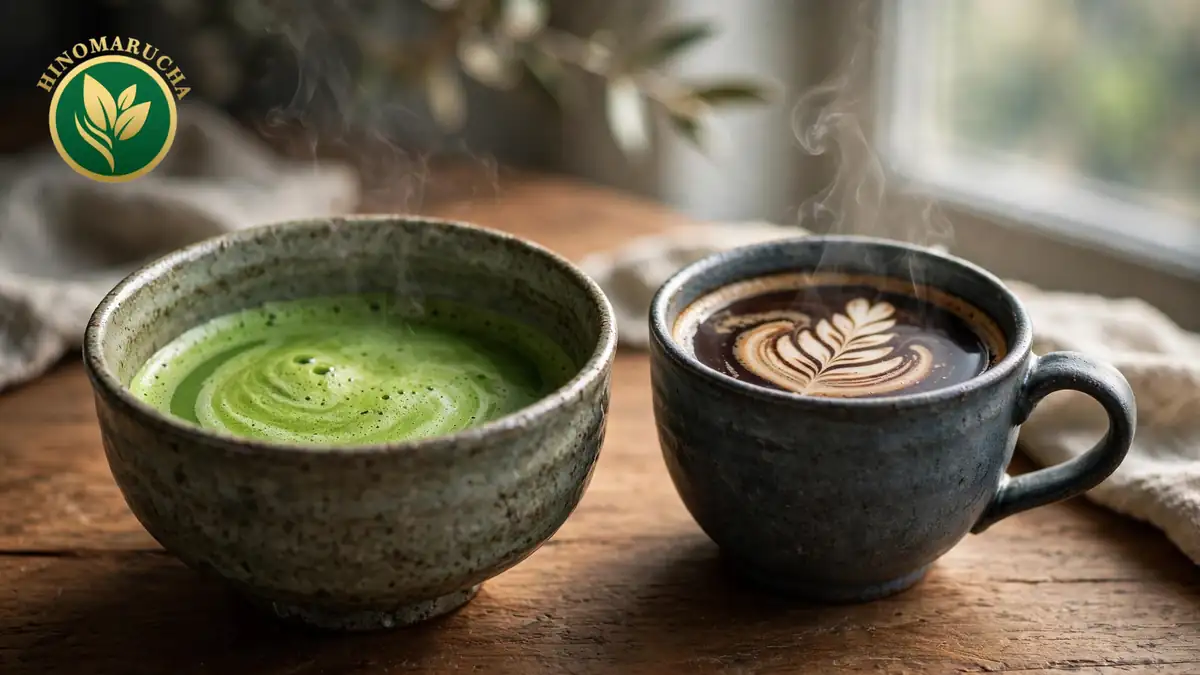
Every morning, millions of people reach for a cup and wonder whether the matcha vs coffee choice really matters. Both drinks wake you up, but they do it in very different ways. Coffee hits fast and fades fast. Matcha lifts gently and holds steady for hours. This guide compares caffeine, L-theanine, antioxidants, taste, cost and daily ritual so you can pick the right cup for your day.
How Much Caffeine Is in Each Cup
Caffeine is the first thing people compare, and the numbers surprise many drinkers. In the matcha vs coffee caffeine matchup, a standard serving of matcha made with 2 grams of powder holds about 70mg of caffeine. A regular 240ml cup of brewed coffee holds about 95mg. Espresso shots vary, but a double shot lands near 125mg. So coffee usually carries more caffeine per cup, yet matcha often feels stronger because you consume the whole ground leaf instead of an infusion.
| Drink | Typical serving | Caffeine | How you consume it |
|---|---|---|---|
| Matcha | 2g powder whisked in 70ml water | About 70mg | Whole leaf ground to powder |
| Brewed coffee | 240ml drip cup | About 95mg | Hot water infusion of grounds |
| Espresso double shot | 60ml | About 125mg | Pressurized extraction |
| Matcha latte | 2g powder with 200ml milk | About 70mg | Powder plus milk |
See also health benefits of Japanese green tea and ceremonial grade Aichi matcha 30g
L-Theanine, Matcha’s Secret for Calm Focus
L-theanine is the amino acid that sets matcha apart from every other caffeinated drink. Shade grown tea leaves produce extra L-theanine, and a bowl of quality matcha delivers roughly 20mg of it. L-theanine promotes alpha brain wave activity, the relaxed but alert state linked with steady concentration. It also slows how quickly your body absorbs caffeine, which stretches the energy lift across several hours. Coffee contains almost no L-theanine, so its caffeine arrives all at once. Anyone weighing matcha vs coffee for mental clarity should know this compound is the main reason matcha feels calm instead of wired. Learn more on Wikipedia.
See also ceremonial grade matcha expert guide and bamboo chasen whisk
Why Coffee Gives You the Spike and Crash
Coffee caffeine absorbs quickly through the stomach lining, so blood caffeine peaks within 30 to 45 minutes. That sharp peak feels great at first, then the drop hits just as fast. Many drinkers feel tired, foggy or irritable two to three hours later and reach for a second cup. Coffee can also raise cortisol, the stress hormone, which adds to the jittery feeling on an empty stomach. The matcha vs coffee energy story really turns here, because coffee’s curve looks like a mountain while matcha’s looks like a long hill. Read about the stimulant itself on Wikipedia.
See also ceremonial vs culinary matcha and matcha 3 piece set
Matcha’s Slow and Steady Energy Curve
Matcha energy builds over 20 to 30 minutes and holds for 4 to 6 hours. The combination of moderate caffeine plus L-theanine creates what drinkers call calm alertness. You feel awake and focused without the racing heart or the sudden slump. Buddhist monks have used this steady lift for meditation for centuries, and modern office workers now use it for long afternoons. The matcha vs coffee contrast is clearest at hour three, when the coffee drinker fades and the matcha drinker keeps going.
| Time after drinking | Matcha energy | Coffee energy |
|---|---|---|
| 30 minutes | Gently rising, clear headed | Sharp peak, very alert |
| 1 to 2 hours | Steady focus, calm mood | Still strong, possible jitters |
| 3 to 4 hours | Holding well, no slump | Fading, cravings for more |
| 5 to 6 hours | Soft landing, still composed | Crash or second cup needed |
See also five benefits of drinking matcha and screw can with pull top 40g
Antioxidants and Nutrients Compared Side by Side
Matcha brings far more than caffeine to the cup. Because you drink the whole leaf, you get catechins like EGCG, chlorophyll, vitamin C, and small amounts of minerals. Coffee brings chlorogenic acids and niacin, plus its own antioxidant load. Both drinks beat sugary sodas easily, but matcha’s nutrient density per serving runs higher. HinomaruCha stone mills its ceremonial grade Aichi matcha in small batches, which protects these delicate compounds from heat and oxidation. When people frame matcha vs coffee as a health choice, the whole leaf advantage usually tips the scale toward matcha. See Wikipedia for background on tea catechins.
See also why Aichi matcha is premium and matcha can sieve
Taste, Mouthfeel and the Daily Ritual
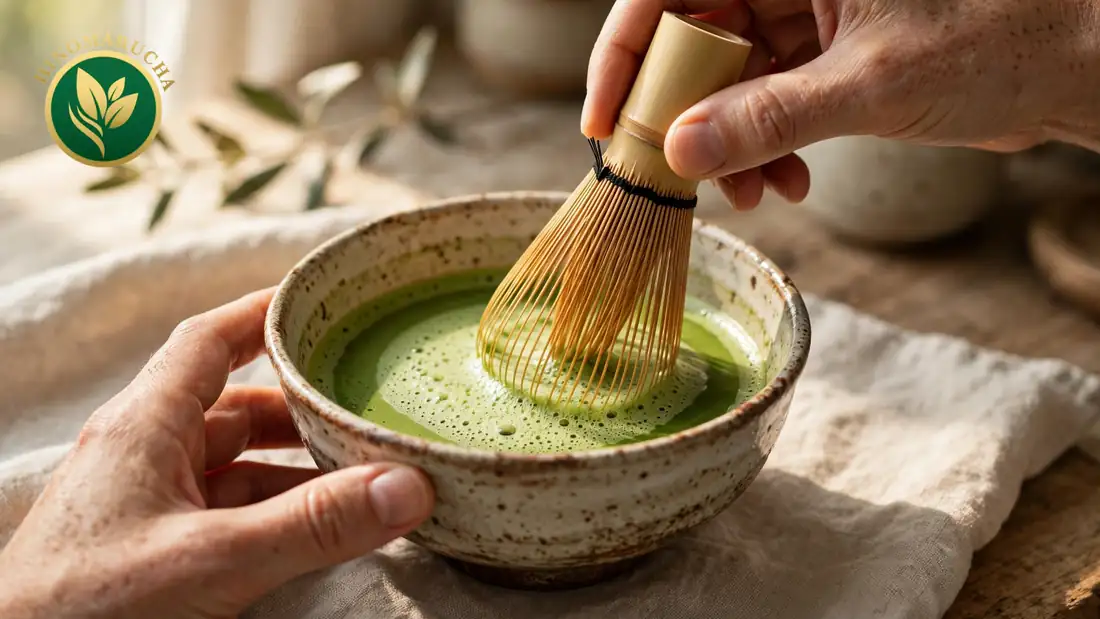
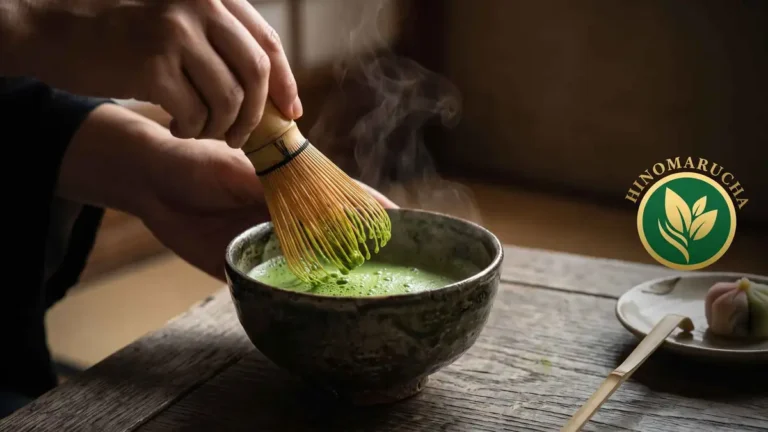
Taste divides drinkers fast. Good matcha tastes smooth, savory and lightly sweet with a creamy froth, while low grade powder tastes bitter and harsh. Coffee ranges from bright and fruity to dark and chocolatey depending on roast and brew method. The rituals differ too. Matcha asks for two quiet minutes with a bamboo chasen, warm water and a bowl, which many drinkers find grounding. Coffee offers speed and variety, from quick espresso to slow pour over. In the matcha vs coffee lifestyle debate, matcha suits slow mornings and coffee suits fast ones.
See also how freshness shapes ceremonial matcha and mini top can silver
Which Drink Wins for Deep Work and Study
For long study sessions and deep work, matcha usually wins. Its 4 to 6 hour calm energy matches the length of a focused work block, and the L-theanine helps you stay with hard tasks without fidgeting. Coffee works better for short sprints where you need maximum intensity fast. Many writers and programmers keep both, using coffee for the first push and matcha for the long afternoon. If your work demands steady attention, the matcha vs coffee productivity answer leans green. HinomaruCha’s shade grown Aichi leaves are rich in the L-theanine that makes this calm focus possible.
See also matcha lifestyle and modern wellness and houjicha powder
Which Drink Wins for Workouts and Busy Mornings
Coffee takes the lead before intense exercise. Its fast caffeine peak suits a quick gym session or a rushed morning when you need to feel awake now. Matcha suits endurance days, long walks and steady paced training where calm energy beats a spike. Some athletes drink matcha 30 minutes before longer sessions and report fewer stomach issues than with coffee. For pure speed, pick coffee. For staying power, the matcha vs coffee fitness choice favors matcha.
See also how to make a matcha latte at home and mug and tea whisk set
Cost and Convenience Compared Honestly

Good matcha costs more per serving than basic coffee. A 30g tin of ceremonial grade matcha makes about 15 bowls, which puts each bowl near the price of a cafe latte. Home brewed drip coffee costs far less per cup. But cafe bought matcha lattes and specialty coffees cost about the same. Convenience favors coffee for offices with machines, while matcha needs only hot water, powder and a whisk. Over a month, the matcha vs coffee budget gap shrinks if you were buying cafe drinks daily.
| Factor | Matcha at home | Drip coffee at home | Cafe bought either |
|---|---|---|---|
| Cost per serving | Mid range | Low | Similar, premium price |
| Equipment needed | Bowl, whisk, sieve | Brewer or machine | None |
| Prep time | About 2 minutes | 5 to 10 minutes | Waiting in line |
| Skill needed | Easy whisking technique | Grind and brew basics | None |
See also matcha latte recipe hot and iced and hitoshizuku teapot
How to Switch From Coffee to Matcha Without the Headache
Quitting coffee cold can bring headaches and fatigue, so switch gradually. Replace your afternoon cup with matcha first and keep the morning coffee for a week. Next, swap the morning cup too and notice how the steadier energy feels. Keep total caffeine similar at first so withdrawal stays mild. Choose a true ceremonial grade powder, since bitter low grade matcha turns many switchers away. The matcha vs coffee transition works best as a two week experiment, not a sudden rule. HinomaruCha’s smooth Aichi matcha makes the switch easier because it tastes naturally sweet with no harsh bite.
See also Japanese green tea beginner guide and mini top can black
Conclusion
Matcha and coffee both earn a place in a smart caffeine routine. Coffee delivers fast intensity for short sprints, while matcha delivers calm endurance for long days. The matcha vs coffee winner depends on your task, your stomach and your schedule. Try matcha for your longest work block this week and feel the difference yourself.
FAQs
Does matcha have more caffeine than coffee?
No. In the matcha vs coffee caffeine matchup, coffee wins with about 95mg per cup against matcha’s 70mg. Matcha feels stronger because L-theanine smooths the lift.
Why does coffee make me jittery but matcha does not?
The matcha vs coffee difference is L-theanine. It calms the nervous system and slows caffeine uptake, so you feel alert without shaky hands or a racing heart.
Can I drink matcha every day instead of coffee?
Yes. For daily matcha vs coffee drinkers, matcha is gentler on the stomach and easier on sleep. Two servings a day suit most people well.
Which is better for focus, matcha or coffee?
Matcha usually wins the matcha vs coffee focus test for long tasks. Its calm 4 to 6 hour energy beats coffee’s sharp 1 to 2 hour spike.
Will switching to matcha help me sleep better?
It can. The matcha vs coffee sleep edge goes to matcha because less caffeine lingers at night. Still, keep both drinks before early afternoon.