Matcha lovers often ask one worried question, can I drink matcha without ruining my rest? The honest answer is that matcha and sleep can get along well, but timing decides everything. This tea contains real caffeine, so a late cup can disrupt sleep, while a morning bowl leaves your nights untouched. Everything matcha contains, from caffeine to l-theanine, comes from the whole tea leaf, which is why quality matters so much.
Matcha and sleep follow one simple rule. Drink matcha early, enjoy the calm energy and focus it brings, and let the caffeine clear from your system long before you go to bed. In this guide we explain the best time to drink matcha, how l-theanine shapes the experience, and the cutoff point that protects your rest. To improve sleep, you only need to respect that cutoff.
How Matcha Affects Your Body When You Go to Bed
To understand matcha and sleep, start with what happens after you drink matcha tea. Matcha contains caffeine, and caffeine is a stimulant that blocks the drowsy signals your brain builds up through the day. Drink matcha too close to bedtime and you may find yourself tossing and turning instead of drifting off. The effects of caffeine are well documented on Wikipedia.
That said, matcha is not coffee. Every cup of matcha also delivers l-theanine, an amino acid that promotes relaxation without drowsiness. The caffeine and l-theanine pair creates smooth alertness rather than a jittery spike, which is why many people find matcha and sleep easier to balance than coffee and sleep. Still, caffeine is still caffeine, and drinking it too late can lead to poor sleep. As a natural source of l-theanine, matcha offers calm energy that coffee rarely matches.
See also health benefits of Japanese green tea and ceremonial-grade Aichi matcha
Caffeine in Matcha, Why This Tea Contains Caffeine
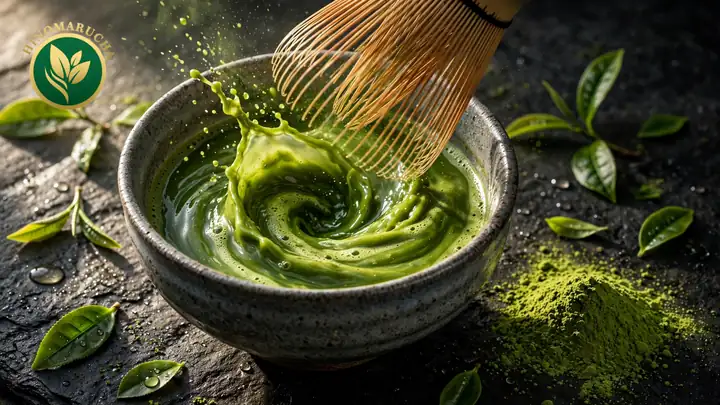
Caffeine in matcha comes from the tea leaf itself. Because you whisk and drink the whole matcha powder instead of steeping and discarding leaves, you take in more of the leaf compounds than with regular green tea. A standard serving made with 2 grams of matcha green tea powder carries about 70 mg of caffeine, which is less caffeine than coffee but far from zero, and this tea clearly contains caffeine.
Matcha contains caffeine because tea contains natural caffeine as a defense chemical, and shade growing raises it further. That is why quality matcha, which comes from shaded first-harvest leaves, can feel stronger than a cup of regular green tea. If you are sensitive to caffeine, treat every cup of matcha with respect and watch the clock. The amount of caffeine also rises with your scoop size, so measure carefully. Anyone balancing matcha and sleep should start with a smaller scoop and see how the afternoon feels.
See also five benefits of drinking matcha and bamboo chasen whisk
Best Time to Drink Matcha Tea for Daytime Energy
The best time to drink matcha is in the morning or early afternoon. Matcha and sleep stay friendly when you drink matcha tea before 2 p.m., giving the caffeine six to eight hours to clear before bed. Matcha mid-morning is the sweet spot for most people, late enough to skip the groggy wake-up window, early enough to protect sleep and improve sleep quality over time.
Research shows that caffeine has a half-life of about five to six hours, meaning half of it is still active that long after your last sip. Caffeine consumption after mid-afternoon therefore raises the risk of sleep disruption. Plan your last matcha as you would plan any caffeinated drink, with a firm cutoff, and you will enjoy better sleep within days.
| Your bedtime | Last safe matcha time | Why it works |
|---|---|---|
| 10 p.m. | 2 p.m. | Eight hours lets most caffeine clear |
| 11 p.m. | 3 p.m. | Matches the six to eight hour cutoff rule |
| Midnight | 4 p.m. | Still protects deep sleep phases |
See also ultimate matcha latte recipe guide and roasted houjicha powder
Should You Drink Matcha at Night
Can you enjoy matcha at night? For most people the answer is no, at least not after dinner. Matcha and sleep collide because caffeine before bed keeps your mind alert when it should wind down. Even if you fall asleep easily, late caffeine can fragment your rest and leave you groggy.
There is one exception. Houjicha, the roasted cousin of matcha, is a healthy drink with far less caffeine and a toasty flavor that suits evenings. If the ritual matters more than the lift, swap your night bowl for houjicha and keep matcha for daylight. Your sleep hygiene will thank you.
See also hot and iced matcha latte guide and matcha three piece set
Why Late Caffeine Can Disrupt Sleep and Cause Poor Sleep
Poor sleep often traces back to afternoon stimulants people forgot about. The effects of caffeine go beyond keeping you awake, it lightens deep sleep and can cause sleep disruption you do not even notice. You might get to sleep on time yet wake unrefreshed, a classic sign of troubled sleep at night from late-day caffeine. Late caffeine impairs melatonin production and disrupts your circadian rhythm. Since melatonin is the hormone that signals bedtime, blocking it makes it harder to fall asleep and harder to stay asleep, so even small doses late in the day can disrupt your rest. When matcha and sleep both matter to you, treat the afternoon cutoff as non-negotiable.
See also what is ceremonial-grade matcha and screw can with pull top
The Benefits of Matcha Beyond Energy
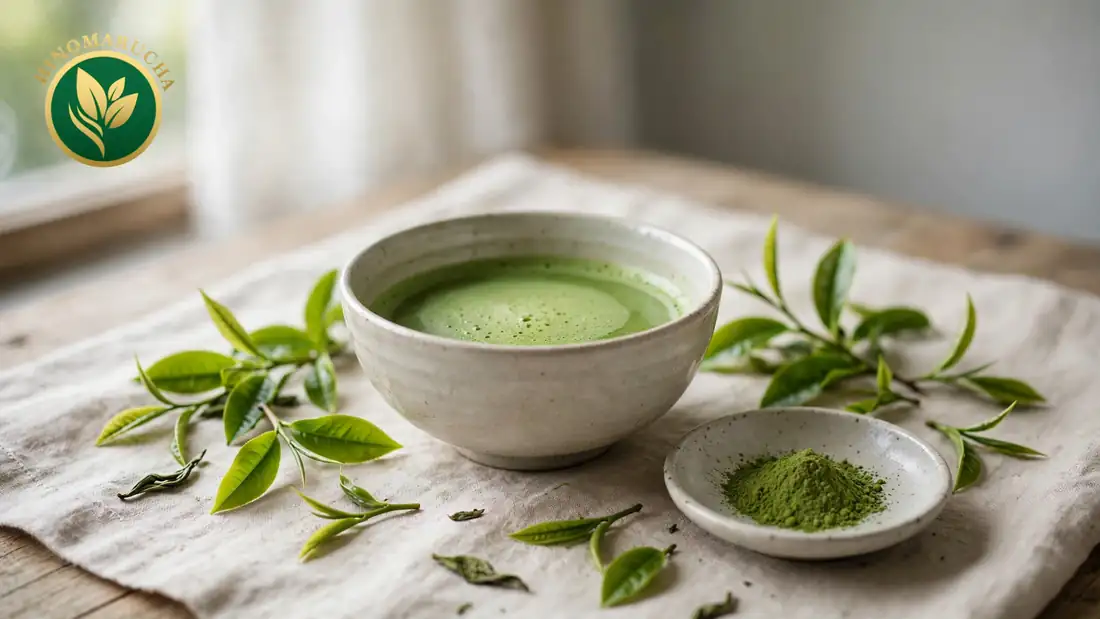
The benefits of matcha reach far past a simple lift. This green tea is packed with a polyphenol called EGCG, chlorophyll from shade growing, and the amino acid found in tea, l-theanine. Together they deliver many health benefits, from steady energy and focus to antioxidant support, which is why popular matcha keeps winning over wellness fans. The l-theanine supports gaba activity and sleep and relaxation, since this amino compound calms the mind without sedation.
Matcha and sleep actually connect through stress, too. Better daytime energy and focus means less evening restlessness for some people, and the ritual of whisking a bowl can anchor a calming morning routine. Organic matcha from a trusted source like HinomaruCha gives you these perks without additives or dust-grade powder. Think of matcha as a daytime ally, not a nightcap.
See also how to use a bamboo chasen and matcha can sieve
Matcha Tea vs Regular Green Tea at Bedtime
Matcha tea and regular green tea differ in strength. A cup of regular brewed green tea holds roughly 30 mg of caffeine, while matcha green tea made from whisked powder holds about 70 mg. Green tea and matcha both contain l-theanine, but matcha delivers a bigger dose of everything because you consume the leaf.
Neither is a good idea right before bed. Tea may feel gentle, but matcha may still keep you awake if you drink before bed. Those who sip at night may notice lighter, broken rest even when they fall asleep fast. The matcha and sleep trade-off is simple, the stronger the tea, the earlier your cutoff should be. If you crave something warm at night, choose an herbal infusion instead and save the green tea for morning. That single swap does more for sleep quality than any supplement, and it ends the cycle of sleep caused problems.
| Drink | Approx. caffeine | Bedtime friendly |
|---|---|---|
| Matcha, 2g serving | 70 mg | No, keep it before 2 p.m. |
| Brewed green tea | 30 mg | Risky late in the day |
| Houjicha | 10 mg or less | Yes, a cozy evening option |
| Herbal tea | 0 mg | Yes, the safest night choice |
See also Japanese green tea beginner guide and mug and tea whisk set
How to Make Matcha for a Calm Morning Ritual
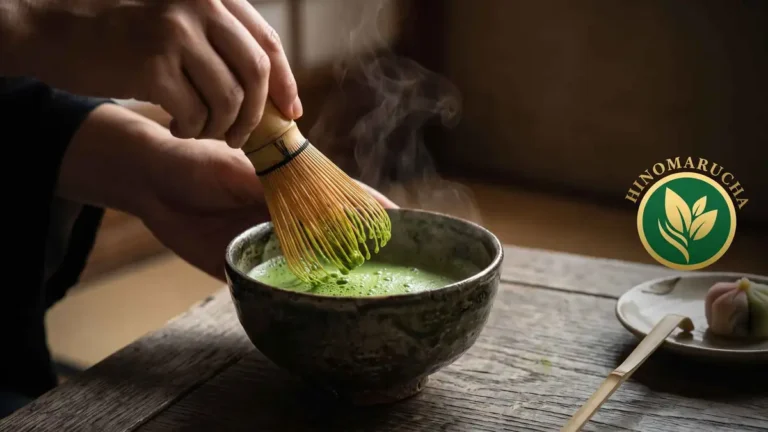
Learning to make matcha well turns caffeine into a calmer experience. Use 2 grams of quality matcha, sift it to remove clumps, whisk with 70 ml of hot water, and sip slowly. Matcha you use matters enormously here, ceremonial-grade powder from HinomaruCha’s Aichi farms grinds smooth and tastes sweet, so you need less powder for full flavor.
A smaller, better bowl beats a large bitter one. When you make matcha with care, the l-theanine in matcha shines through and the lift feels clean rather than edgy. New to matcha drinkers should start with 1 gram and see how their body responds before sizing up. Remember that to drink matcha before bed is a mistake even with great powder, so keep matcha green tea before bed off the menu and save it for mornings. Good technique plus quality matcha equals a morning ritual that supports your whole day, right up to time for bed.
See also how to tell if matcha is ceremonial grade and mini top can silver
Drink Before Bed, What to Choose Instead

If you usually drink before bed, retrain the habit toward caffeine-free options. Avoid drinking matcha before bed entirely, even a matcha latte counts, since the latte still carries the full caffeine load of its powder. Matcha and sleep simply do not mix after dinner.
Warm milk, chamomile, or houjicha all satisfy the craving for a cozy cup. Keep your matcha powder sealed in its tin for the morning, and let the evening belong to rest. A cool, dark room where your bed can help signal rest does wonders, and this one boundary is the heart of good sleep hygiene for tea lovers.
See also best ways to store matcha and hitoshizuku teapot
Choose Quality Matcha That Will Not Keep You Awake
Quality matcha makes the matcha and sleep balance easier because you need less of it. Premium stone-milled powder tastes rich at 1 to 2 grams, while dull culinary grades tempt you to scoop more and swallow extra caffeine. HinomaruCha mills small batches from first-harvest Aichi tencha, so every bowl is vivid, smooth, and honest about its strength. You might think matcha all tastes the same, but the difference shows in your cup and your rest.
Matcha and sleep also improve when your powder is fresh, since stale matcha tastes harsh and pushes people toward bigger servings. Store your tin sealed, cool, and dark, and buy amounts you will finish in weeks. A brand that respects the leaf helps you respect your rest.
See also matcha lifestyle and wellness ritual and artisanal geisha art can
Conclusion
Matcha and sleep are fully compatible when you respect the clock. Drink matcha in the morning or early afternoon, stop at least six to eight hours before bed, and choose quality matcha so a little goes a long way. Learn more about theanine and how it shapes your calm focus.
FAQs
Can I drink matcha before bed?
It is best to avoid it. Matcha before bed can disrupt sleep because the caffeine keeps your brain alert for hours. For matcha and sleep to coexist, keep it early.
What is the best time to drink matcha?
Morning to early afternoon works best. Drink matcha tea before 2 p.m. to protect sleep and enjoy steady energy.
Will matcha keep me awake at night?
Yes, if you drink matcha late in the day. The caffeine has a half-life of five to six hours. That is why matcha and sleep need a cutoff.
How much caffeine does matcha contain?
A 2 gram serving holds about 70 mg of caffeine, which is less caffeine than coffee but enough to matter.
Is matcha better than coffee for sleep?
Often yes. Caffeine and l-theanine together feel calmer, and matcha afternoons beat coffee in the morning plus late refills. Good matcha and sleep habits beat late coffee.
TITLE TERMS: ==========
matcha
drink matcha
matcha before bed
best time to drink matcha
drink matcha before bed
DESCRIPTION TERMS: ==========
matcha
drink matcha
caffeine
tea
matcha before bed
matcha tea
best time to drink matcha
drink matcha before bed
disrupt sleep
calm
disrupt
contains caffeine
l-theanine
sleep quality
H1 HEADERS TERMS: ==========
matcha
drink matcha
matcha before bed
best time to drink matcha
drink matcha before bed
disrupt
tea
matcha tea
disrupt sleep
drink matcha tea
H2 HEADERS TERMS: ==========
matcha
drink matcha
tea
matcha tea
caffeine
drink matcha tea
benefits of matcha
green tea
best time to drink matcha
go to bed
poor sleep
disrupt
make matcha
caffeine in matcha
drink before bed
matcha at night
contains caffeine
quality matcha
keep you awake
BASIC TEXT TERMS: ==========
matcha
drink matcha
caffeine
tea
green tea
l-theanine
matcha tea
disrupt sleep
calm
sleep quality
tea leaf
matcha contains
matcha green tea
go to bed
matcha powder
cup of matcha
improve sleep
disrupt
relaxation
make matcha
matcha latte
late in the day
fall asleep
amino acid
better sleep
latte
amino
alertness
contains caffeine
mg of caffeine
EXTENDED TEXT TERMS: ==========
matcha before bed
best time to drink matcha
drink matcha before bed
poor sleep
drink matcha tea
sleep disruption
caffeine in matcha
drink before bed
benefits of matcha
matcha at night
regular green tea
organic matcha
polyphenol
matcha green tea before bed
quality matcha
l-theanine in matcha
melatonin
protect sleep
drinking it too late
less caffeine
get to sleep
sleep and relaxation
green tea and matcha
circadian rhythm
caffeine consumption
matcha green tea powder
keep you awake
last matcha
caffeine before bed
amount of caffeine
gaba
sleep hygiene
improve sleep quality
effects of caffeine
caffeinated
matcha delivers
research shows
time for bed
matcha contains caffeine
healthy drink
sleep at night
caffeine and l-theanine
matcha mid-morning
tossing and turning
bed can help
sensitive to caffeine
popular matcha
energy and focus
tea may
matcha may
tea contains
many health benefits
avoid drinking
sleep caused
coffee in the morning
new to matcha
think matcha
source of l-theanine
amino acid found
caffeine is a stimulant
matcha you use
cup of regular
less caffeine than coffee
melatonin production and disrupts
harder to fall
caffeine has a half-life
caffeine is still
night may