
You followed the recipe, whisked with confidence, took a sip and winced. If bitter matcha has ever ruined your morning, you’re not alone. A harsh, bitter cup is the most common complaint from people who are new to matcha, and it convinces far too many beginners that they just don’t like matcha tea.
Here’s the truth: matcha is tea, and like all green teas, its flavour profile depends on leaf quality, water, and technique. When matcha tastes bitter, something in that chain went wrong, and almost every cause has simple fixes you can apply today. In this guide, you’ll learn the 5 common reasons behind the dreaded “matcha taste bitter” experience, plus 9 fixes that actually work, so every bowl tastes smooth, vibrant, and naturally sweet.
Whether you drink matcha straight as usucha or prefer a creamy latte, your taste buds can learn to enjoy matcha, once you stop making the mistakes that turn a daily matcha ritual into a bitter chore. Matcha is tea in its purest powdered form, and matcha can taste incredible when it’s treated right. Matcha is finely ground powder made from shade-grown tea leaves, and that delicate origin is exactly why it demands a little care.
Why Matcha Tastes Bitter, 5 Common Causes of Bitterness in Matcha Tea
Before the fixes, let’s diagnose. Bitterness in matcha comes from compounds in the tea leaves themselves, mainly catechins, the antioxidants that give green tea powder its healthy reputation and its bitter edge, the same compounds behind green tea’s fame. In good matcha, those bitter notes stay balanced with umami, vegetal notes, and naturally sweet amino acids. In lower quality matcha, the balance tips toward harshness. Here are the 5 common culprits:
Using boiling water, Matcha is sensitive to heat. Water at a rolling boil scalds the powder and causes matcha to turn bitter on contact.
Too much powder, The wrong matcha to water ratio (too much matcha powder in too little water) brews an over-concentrated, aggressive cup.
Low quality leaf, Cheap matcha and culinary matcha are milled for baking, not sipping. Lower grade matcha simply tastes more bitter than ceremonial grade matcha.
Stale matcha, Old, oxidized powder loses its vivid green hue and sweet aroma, leaving a flat, dull bitter flavor.
Bad technique, Skipping the sift leaves clumps that never dissolve, and lazy whisking leaves grit and uneven extraction.
| What you taste | Likely cause | Quick fix |
|---|---|---|
| Harsh, astringent bite | Water too hot (boiling water) | Cool water to 70–80°C |
| Chalky lumps | Unsifted clumps | Sift, then whisk well |
| Flat, dull, lifeless | Stale or old powder | Buy fresh, store airtight |
| Overpowering intensity | Too much matcha powder | Use 2g per 70ml water |
Related: What Makes Japanese Matcha Different From Other Countries Hinomarucha Ceremonial Grade Aichi Origin 30g
Fix #1: Lower Your Water Temperature, Matcha Is Sensitive to Heat
Water temperature is the single biggest lever between a sweet bowl and a bitter one. Matcha is sensitive to heat because its delicate amino acids break down above 80°C, while harsh catechins extract faster and faster. Using boiling water is the fastest way to ruin even good quality matcha, one splash of 100°C water and the bowl is gone. Start with good quality leaf and cool water, and you’re already halfway to a sweet bowl.
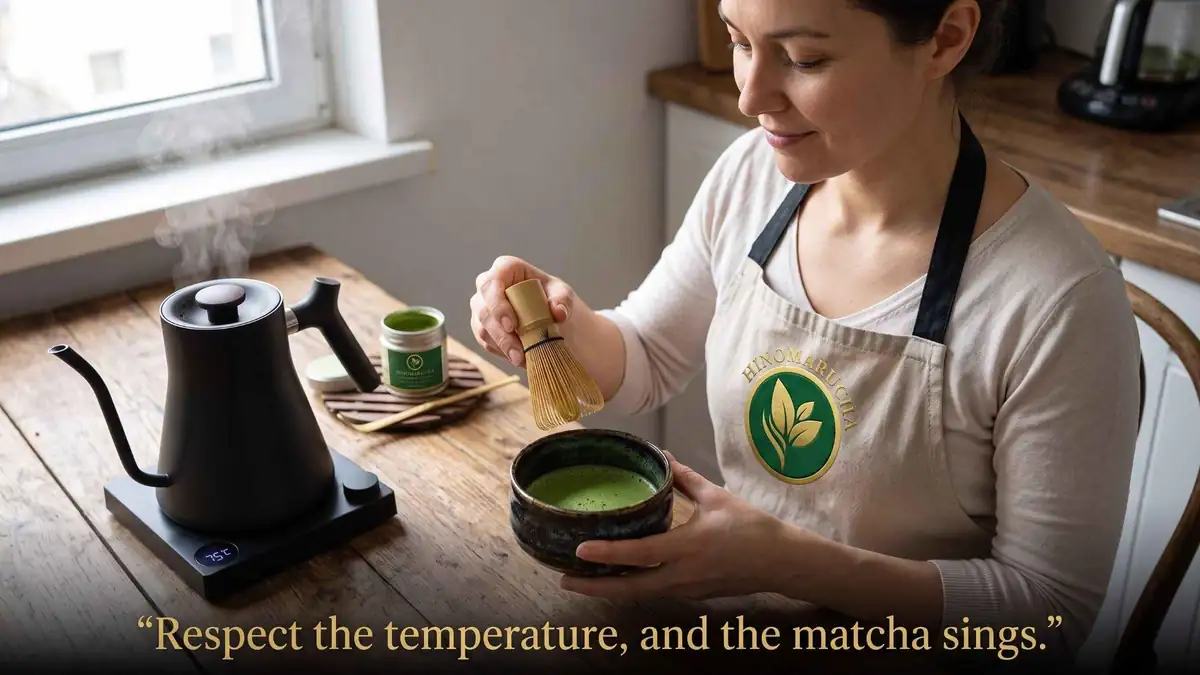
Instead, heat your kettle to 70–80°C (158–176°F). No thermometer? Bring water to a boil, then let it rest 5–7 minutes, or pour it into a cool cup first to drop the temperature. Boiling water should never touch matcha powder directly.
| Water temperature | What happens in the bowl |
|---|---|
| 100°C (full boil) | Scalded, harsh, intensely bitter |
| 80°C | Balanced, mild sweetness |
| 70°C | Sweet, smooth, maximum umami |
This one change fixes more “matcha taste bitter” complaints than anything else. Treat your bitter matcha problem as a heat problem first, because matcha is sensitive, and sensitive to heat means gentle water, always.
Related: How to Make a Matcha Latte at Home Hitoshizuku Teapot
Fix #2: Get Your Matcha to Water Ratio Right (Too Much Matcha Powder = Bitter Cup)
The classic ratio is 2 grams of matcha, about two bamboo scoops or one level teaspoon, to 70ml of water. That is the traditional usucha style: thin tea, whisked to a light froth. Too much powder with too small an amount of water brews bitter matcha that no whisking can rescue.
If your cup might taste a bit strong, add 10–20ml more warm water rather than suffering through it. Every form of matcha, thin, thick, or latte, has its own ratio, and guessing is a common matcha mistake:
| Style | Matcha | Water | Character |
|---|---|---|---|
| Usucha (thin tea) | 2 grams of matcha | 70ml | Light, frothy, everyday |
| Koicha (thick tea) | 4g | 40ml | Intense, syrupy, ceremonial |
| Matcha latte | 2g | 150–200ml milk | Creamy, mellow |
Related: The Ultimate Matcha Latte Recipe: Easy Step-by-Step Guide Matcha Can Sieve
Fix #3: Sift and Mix Matcha Powder to Remove Every Clump
Matcha powder is stone-milled so fine that it clumps the instant it meets moisture. Always mix matcha through a fine sieve before adding water, press the powder through with the back of a spoon until it falls like soft snow. Every surviving clump is a pocket of undissolved powder that bursts into bitter flavor in a single harsh sip.
This thirty-second step is the difference between bitter matcha and a silk-smooth bowl. Matcha that is properly sifted also whisks faster and froths better, because there are no dry lumps for the whisk to fight.
Related: How to Use a Bamboo Chasen Properly for Perfect Matcha Bamboo Chasen
Fix #4: Whisk With a Bamboo Whisk to Make Matcha Taste Smooth
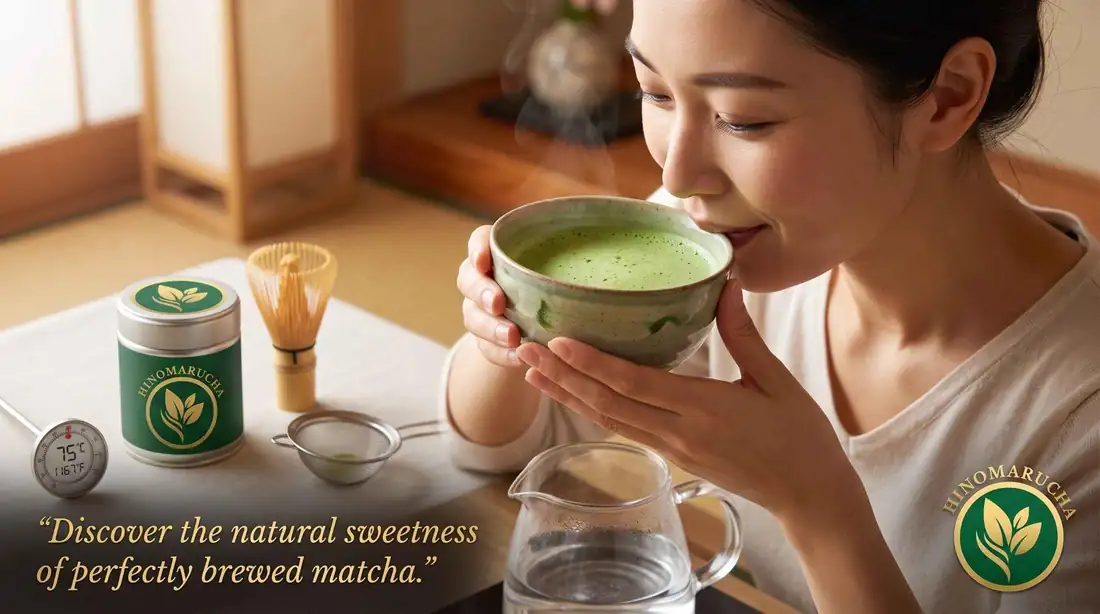
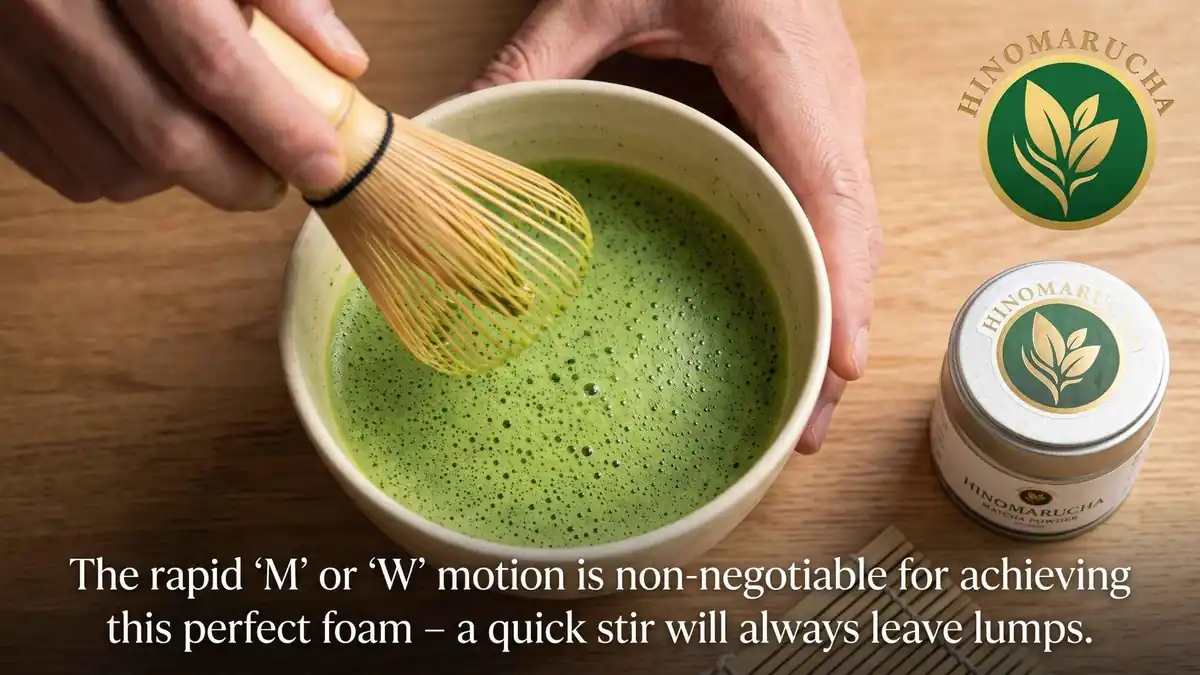
Technique matters as much as ingredients. When making a matcha bowl, use a real bamboo whisk, a chasen, and move it in a brisk “M” or “W” motion, not circles. Circles stir; the zigzag whips air in, building the fine foam that makes matcha taste smooth.
This is how you make matcha the traditional way: matcha should taste smooth, like smooth ceremonial matcha crowned with vibrant green froth. A proper matcha whisk lifts the powder fully into suspension, so no gritty layer settles at the bottom to turn the last sips into bitter matcha. The chasen has been central to tea culture for centuries, the Japanese tea ceremony refined this exact motion over hundreds of years.
Related: Matcha Color, Aroma and Texture: The Complete Expert Guide Mug Tea Whisk
Fix #5: Upgrade to Good Quality Matcha, Try a Different Matcha Grade
No technique fixes low quality leaves. Good quality matcha, true ceremonial grade matcha milled from first-harvest tencha leaves, is naturally sweet, with deep umami and almost no harsh edge. Only real ceremonial grade leaf delivers that balance; anything less is a compromise. Premium matcha from a trusted Japanese source beats cheap matcha every single time, because not all matchas are created equal.
Understand the grades: ceremonial powder is made from the youngest, most shaded leaves and is matcha intended for drinking straight. Culinary matcha comes from later harvests and is built to survive sugar, milk, and oven heat in recipes. Every grade matcha label tells you the leaf’s destiny, and brewing a latte-grade powder as straight tea is a common matcha mistake that guarantees a matcha bitter outcome.
If your current tin makes bitter matcha no matter what you change, and a fresh tin of high quality matcha still makes bitter matcha, the powder was never the problem, but in nine cases out of ten, the upgrade alone fixes it. This is why HinomaruCha mills only first-harvest, Aichi-origin tencha in small batches: good matcha should never need rescuing.
Related: What Is Ceremonial Grade Matcha? A Complete Expert Guide Matcha 3-Piece Set Kushime Sabi
Fix #6: Use Fresh Matcha, Old Matcha Tastes Flat, Stale Matcha Tastes Bitter
Even good matcha fades. Once opened, matcha oxidizes on contact with air, the vibrant green color dulls toward yellow-brown, the sweet aroma flattens, and the bowl can become bitter or simply lifeless bitter matcha. Bought matcha in a big tin to save money? Divide it into a small daily tin and keep the rest sealed.
Matcha you enjoyed last month can taste dull today if the tin sat open in a warm kitchen. Keep it airtight, cool, and dark, and finish an opened tin within 4–6 weeks, only matcha fresh from a recently opened tin tastes its best. Matcha fresh from a small-batch miller, like HinomaruCha’s freshly stone-milled lots, starts with more aroma and sweetness to lose, so it stays delicious longer.
Related: Best Ways to Store Matcha to Preserve Flavor Screw Can with Pull Top 40g
Fix #7: Try Usucha or Koicha, A Different Way to Drink Matcha
Usucha or koicha, thin or thick tea, are simply two traditional versions of matcha preparation, and switching styles can transform your cup. Usucha, the everyday bowl most people drink matcha as, uses 2 grams of matcha and 70ml of water whisked to a light froth. Koicha uses 4g with just 40ml of water, kneaded slowly into a thick, paint-like tea.
Counterintuitively, a well-made koicha from high quality matcha is often less bitter than a careless usucha, the concentrated umami and naturally sweet amino acids dominate, and there is no thin watery layer for harshness to hide in. If matcha straight has always disappointed you, don’t abandon the bowl, try the other form of matcha before you decide. A carefully kneaded koicha rarely turns into bitter matcha.
| Usucha | Koicha | |
|---|---|---|
| Matcha | 2g | 4g |
| Water | 70ml | 40ml |
| Technique | Brisk whisking | Slow kneading |
| Texture | Thin, frothy | Thick, syrupy |
| Bitterness | Mild when made well | Intense but sweet with high-quality matcha |
Related: Ceremonial vs Culinary Matcha: Which Should You Choose? Mini Can Soft Matte
Fix #8: Make a Matcha Latte When Your Matcha Tastes More Bitter Than It Should
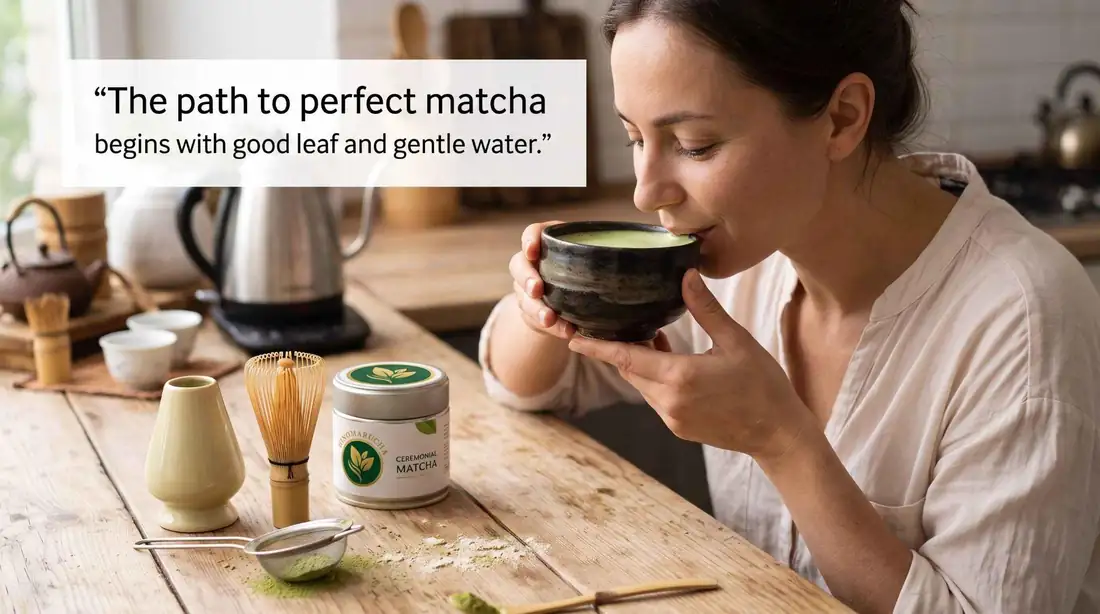
When the straight bowl still fights you, milk helps. A matcha latte wraps the matcha base in creamy fat that softens bitter notes and rounds out the flavour, it turns bitter matcha into a café-style treat without hiding the tea itself. Start with good quality matcha, whisk it smooth with a splash of warm water first, matcha made this way needs no rescue, then pour in your heated milk.
Taste before adding any sweetener, you might taste a bit of pleasant, complex bite that needs nothing at all. If the latte still leans harsh, a small spoon of honey makes it taste smooth while letting the matcha character shine. Oat milk’s natural sweetness pairs especially well here.
Related: Matcha Green Tea Latte Recipe: Hot & Iced, The Complete Guide Houjicha Powder
Fix #9: Why Too Much Matcha Can Taste Harsh, and How Much Matcha to Use
More powder doesn’t mean more flavor, it means taste harsh bitterness. Piling much matcha into the bowl overwhelms the delicate umami with raw catechin punch, and no amount of whisking balances it. Your matcha and water need to work together: water carries the sweetness, powder provides the depth.
Scale back to 2 grams of matcha per bowl and notice how the cup opens up, matcha that tastes balanced, sweet, and clean. If bitter matcha persists even at the right ratio with the right temperature, revisit Fix #5: the leaf itself is telling you something.
Related: 5 Benefits of Drinking Matcha You Should Know · Mini Top Can Silver
Conclusion
Bitter matcha is a solvable problem, not a life sentence. Run through these 9 fixes, cooler water, the right matcha to water ratio, sifting, proper whisking, good quality matcha, freshness, the right style, a latte when you want one, and a lighter hand with the powder, and you’ll make your matcha taste better with every bowl. These simple fixes wipe out harsh bitterness and turn a dreaded chore back into the calm, naturally sweet ritual that made japanese matcha famous worldwide.
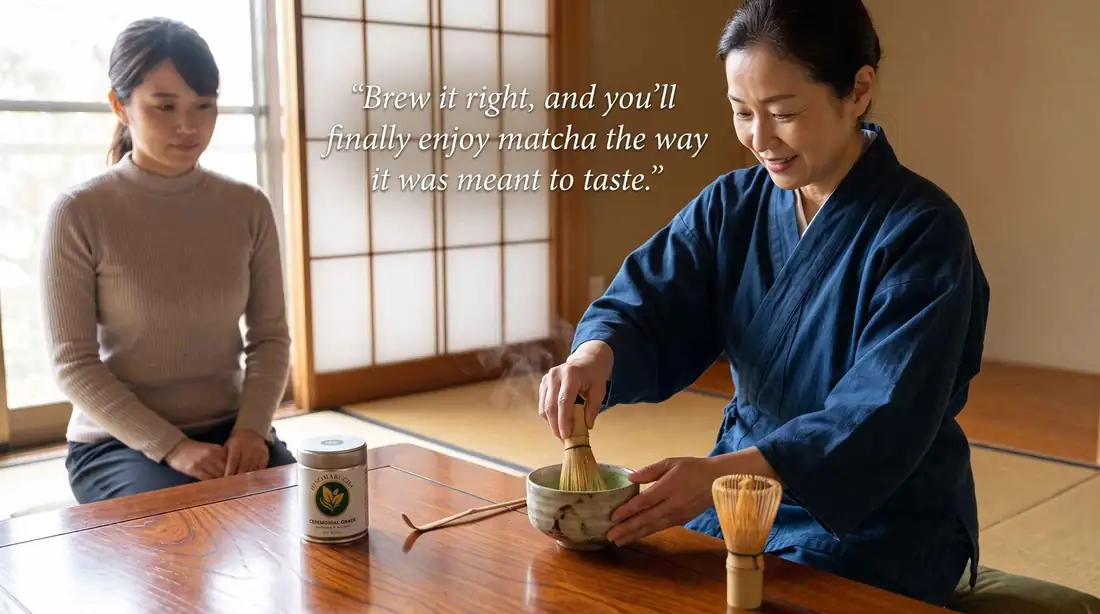
For the smoothest start, begin with high-quality matcha that was milled fresh and stored well. HinomaruCha’s ceremonial grade matcha, stone-milled in small batches from first-harvest Aichi tencha, is crafted so your perfect matcha bowl needs no rescue at all. Brew it right, and you’ll finally enjoy matcha the way it was meant to taste.
FAQs
Why does my matcha taste bitter all of a sudden?
Usually the powder went stale or your water was too hot. Fresh matcha and 70–80°C water fix sudden bitter matcha almost every time.
Does more expensive matcha taste less bitter?
Generally, yes. High-quality matcha uses first-harvest leaves with more umami and fewer harsh catechins, so it tastes good naturally.
Can I fix bitter matcha after I’ve already made it?
Yes, add a little warm water or milk to dilute it. Turning bitter matcha into a latte is the easiest rescue.
What water temperature is best for matcha?
Aim for 70–80°C (158–176°F). Water temperature above that scalds the leaves; below it, the powder won’t dissolve properly.
Is bitter matcha bad for you?
No, bitter matcha is still full of antioxidants. Bitterness just signals heat damage, staleness, or low-grade leaf.