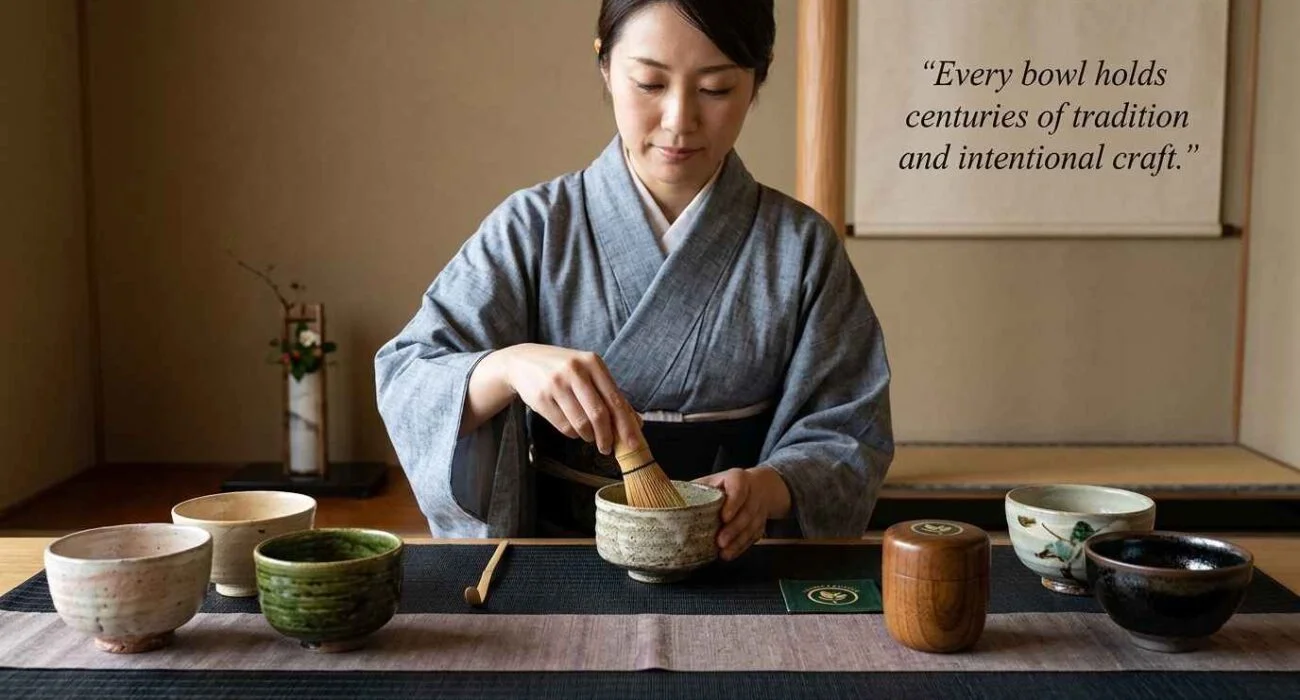
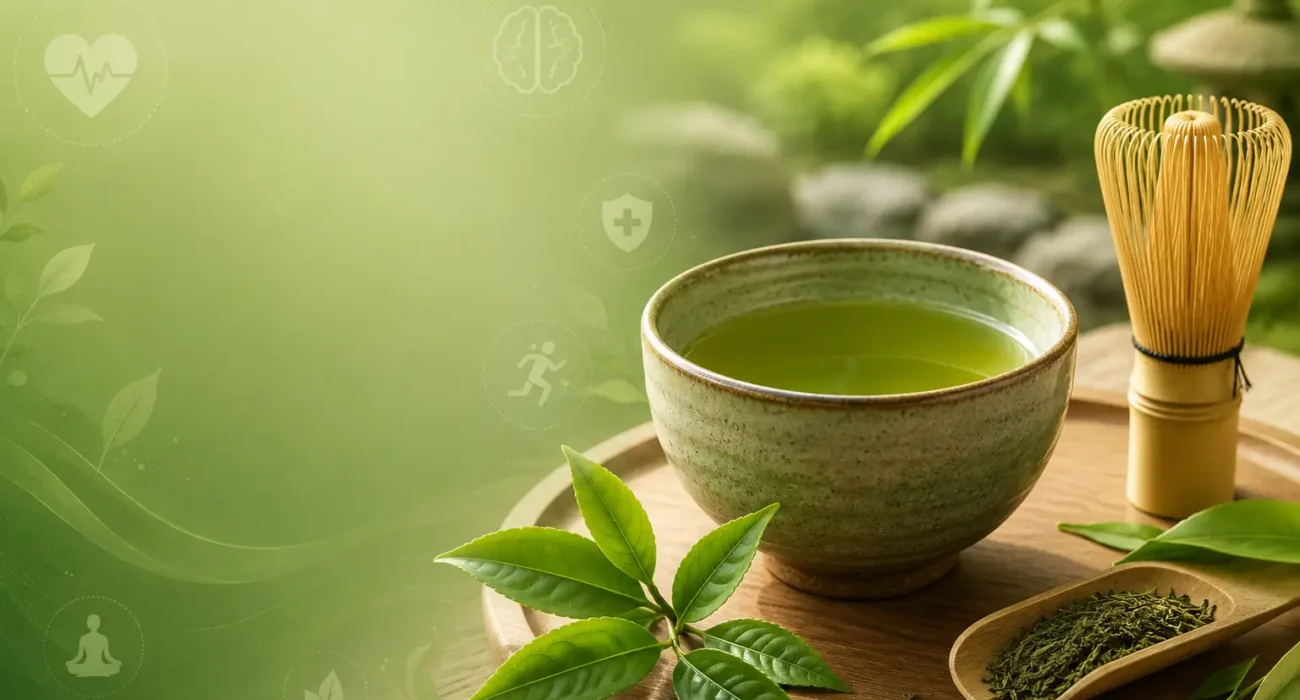
Japanese green tea has been consumed for centuries, not only for its refreshing taste but also for its remarkable health benefits. From ancient Buddhist monks seeking mental clarity to modern wellness enthusiasts looking for natural health solutions, Japanese green tea has remained a staple in daily life.
Today, scientific research supports many of the traditional claims about green tea. Rich in antioxidants, amino acids, and bioactive compounds, Japanese green tea offers a wide range of benefits for both physical and mental health.
In this article, we explore the top 10 health benefits of Japanese green tea, backed by scientific understanding, and explain why it is considered one of the healthiest beverages in the world.
What Makes Japanese Green Tea So Healthy?
Japanese green tea is derived from the Camellia sinensis plant, but what makes it unique is its steaming process. Unlike other teas, Japanese green tea is steamed immediately after harvesting, which helps preserve:
- Catechins (powerful antioxidants)
- Chlorophyll (gives the vibrant green color)
- L-theanine (an amino acid that promotes relaxation)
- Vitamins such as vitamin C and E
This combination of compounds is responsible for its numerous health benefits.
1. Rich in Powerful Antioxidants
One of the most well-known benefits of Japanese green tea is its high antioxidant content, particularly catechins such as EGCG (epigallocatechin gallate).
Antioxidants help:
- Neutralize harmful free radicals
- Reduce oxidative stress
- Protect cells from damage
Scientific studies suggest that EGCG is one of the most potent natural antioxidants, contributing to overall health and disease prevention.
2. Supports Brain Function and Mental Clarity
Japanese green tea contains a unique combination of caffeine and L-theanine, which work together to enhance brain function.
- Caffeine improves alertness and concentration
- L-theanine promotes calmness and reduces anxiety
This combination results in a state of “calm focus,” unlike the jittery energy often associated with coffee. Research shows that L-theanine can also increase alpha brain wave activity, linked to relaxation and creativity.
3. Boosts Metabolism and Aids Weight Loss
Green tea is widely recognized for its role in supporting weight management.
Studies indicate that green tea can:
- Increase fat oxidation
- Boost metabolic rate
- Improve exercise performance
Catechins, especially EGCG, play a key role in enhancing calorie burning, making Japanese green tea a popular choice for those looking to manage their weight naturally.
4. Promotes Heart Health
Cardiovascular disease is one of the leading causes of death worldwide, and Japanese green tea may help reduce this risk.
Research suggests that regular consumption can:
- Lower LDL (bad cholesterol)
- Improve HDL (good cholesterol)
- Reduce blood pressure
- Improve blood vessel function
These effects contribute to better overall heart health and reduced risk of heart disease.
5. Helps Regulate Blood Sugar Levels
Japanese green tea may help improve insulin sensitivity and regulate blood sugar levels.
Studies have shown that green tea consumption can:
- Lower fasting blood glucose levels
- Improve insulin response
- Reduce the risk of type 2 diabetes
This makes it particularly beneficial for individuals managing blood sugar or looking to prevent metabolic disorders.
6. Supports Immune System Function
The catechins and vitamins found in Japanese green tea contribute to a stronger immune system.
Green tea has been shown to:
- Inhibit the growth of bacteria and viruses
- Enhance immune response
- Reduce the severity of infections
Some studies also suggest that green tea compounds may help reduce the risk of common illnesses such as colds and flu.
7. Promotes Healthy Skin
Japanese green tea is widely used in skincare due to its anti-inflammatory and antioxidant properties.
Benefits for the skin include:
- Reduction of acne and inflammation
- Protection against UV damage
- Slowing signs of aging
- Improved skin elasticity
EGCG has been shown to help protect skin cells from damage caused by environmental stressors.
8. Supports Detoxification
The high chlorophyll content in Japanese green tea plays a role in natural detoxification.
Chlorophyll may help:
- Remove toxins from the body
- Support liver function
- Improve digestion
While the body naturally detoxifies itself, green tea can support these processes and improve overall efficiency.
9. Reduces Stress and Promotes Relaxation
L-theanine, a key component of Japanese green tea, has been extensively studied for its calming effects.
It helps:
- Reduce stress and anxiety
- Improve mood
- Promote relaxation without drowsiness
This makes Japanese green tea an excellent choice for those seeking mental balance and stress management.
10. May Reduce Risk of Chronic Diseases
Due to its combination of antioxidants and anti-inflammatory compounds, Japanese green tea may help reduce the risk of several chronic diseases.
Research suggests potential protective effects against:
- Certain types of cancer
- Neurodegenerative diseases such as Alzheimer’s
- Chronic inflammation-related conditions
While more research is ongoing, the existing evidence strongly supports green tea’s role in long-term health.
Which Type of Japanese Green Tea is Best for Health?
Different types of Japanese green tea offer slightly different benefits:
- Matcha: Highest in antioxidants because the whole leaf is consumed
- Sencha: Balanced and ideal for daily consumption
- Gyokuro: High in L-theanine for relaxation and focus
- Hojicha: Lower in caffeine, suitable for evening use
- Genmaicha: Mild and easy to drink for beginners
For maximum health benefits, matcha is often considered the most potent option.
How Much Japanese Green Tea Should You Drink?
Most studies suggest that drinking 2 to 4 cups per day provides noticeable health benefits.
However, moderation is important due to caffeine content. Individuals sensitive to caffeine should consider low-caffeine options like hojicha.
Final Thoughts
Japanese green tea is more than just a traditional beverage. It is a scientifically supported health drink that offers a wide range of benefits, from improved brain function to better heart health and enhanced immunity.
By incorporating Japanese green tea into your daily routine, you are not only enjoying a flavorful drink but also investing in your long-term well-being.
Whether you choose sencha for everyday use or matcha for maximum nutrition, Japanese green tea remains one of the simplest and most effective ways to support a healthier lifestyle.